
The UK property market has surprised a lot of us this year. While economists predicted a significant downturn, the property sector has shown surprising strength throughout 2024 and 2025, defying earlier forecasts despite ongoing economic hurdles from inflation, rising interest rates, and the lingering effects of Brexit and the COVID-19 pandemic.
What we’re seeing now isn’t the crash many expected, but it’s not business as usual either.
What’s Driving the UK Housing Market in 2025?
The UK housing market in 2025 is based on one simple truth: there aren’t enough homes to go around. Market trends are shaped by a persistent supply-and-demand imbalance that continues to underpin house price growth despite all the economic uncertainty.
This isn’t a new problem. The UK has faced a housing shortage for years, with new-build developments struggling to keep up with population growth and planning restrictions limiting where developers can build. What’s changed is how severe the shortage has become.
Housing starts fell to just 28,180 in the first quarter of 2025, down 9% from the previous quarter. While planning permission was granted for only 235,000 homes in the year to March 2025, a 3% drop from 242,000 the year before. Compare that to the government’s ambitious target of 1.5 million homes during this parliament, and the scale of the shortfall becomes clear.
But it’s not all about supply constraints. Demand is supported by several factors that keep the market active despite economic headwinds. Government Help to Buy schemes and first-time buyer incentives continue to bring buyers into the market, and property investors are returning to buy-to-let, particularly in university towns, major cities, and regeneration areas where values are expected to rise.
This shift in buyer preferences and the ongoing supply shortage mean certain areas are experiencing much stronger price growth than others.
How Interest Rates, Inflation, and Wages Are Shaping UK Housing Affordability
The Bank of England’s interest rate rises have fundamentally changed how we look at mortgages. After raising rates from near zero to a peak of 5.25%, the base rate now sits at 4% following some recent cuts. While this provides some relief, mortgage rates are still much higher than the ultra-low period many buyers became accustomed to.
Mortgage rates have fallen to 160 basis points below their 2022-2023 peaks, but average mortgage lending rates for first-time buyers have stabilised around 5.4%. That’s still a massive jump from the rock-bottom rates of recent years. The impact is ongoing too – the Bank of England estimates approximately 4.4 million households will need to switch to higher rates by December 2027, with 420,000 households facing monthly payment increases exceeding £500.
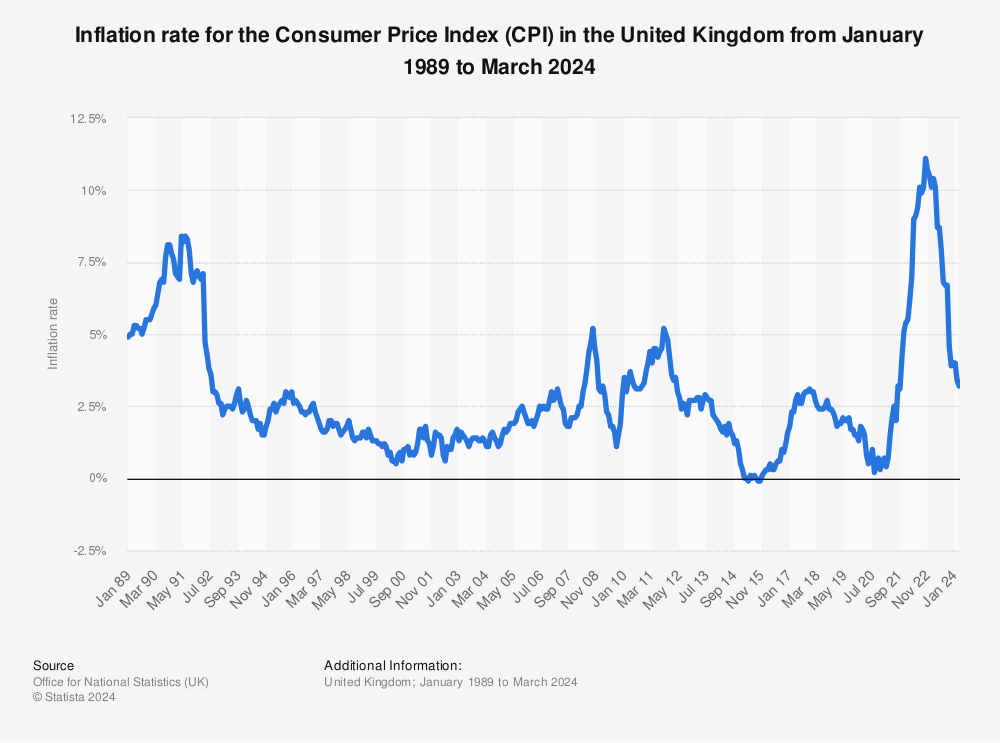
Inflation is making the Bank of England’s job harder. UK inflation is 4.1% in September 2025, well above the 2% target. This persistent inflation is making the central bank cautious about cutting rates further, creating uncertainty for borrowers hoping for a better deal. Food and utility costs are still high, squeezing household budgets and affecting how much people can afford to spend on housing.
The good news is that wage growth is helping to offset some affordability pressures. Annual growth in regular earnings reached 4.8% in the third quarter of 2024, helping improve the affordability position for many potential buyers. Halifax noted that for new mortgages, monthly costs as a percentage of earnings fell from 33% to 29% over 2024, indicating some improvement in affordability metrics despite higher absolute rates.
But first-time buyers are still facing issues. The average first-time buyer property now costs £311,034, needing an average deposit of £61,090. Even more telling, the average first-time buyer age has increased to 33 years, two years older than a decade ago. This reflects the amount of time needed to get a deposit together and establish a stable income in today’s market.
The structural challenge becomes clear when you look at house price-to-earnings ratios. Homes now cost approximately 8.8 times average earnings. While this ratio has stabilised compared to rapid increases in earlier years, it’s still more than double the 4.1 times ratio in the 1970s. This highlights that despite recent improvements, affordability challenges run deep and aren’t going away anytime soon.
This affordability crisis has pushed more people into the rental market, unable to save for deposits or qualify for mortgages at current rates. The knock-on effect has been increased demand for rental properties across all sectors, from traditional buy-to-let to social housing.
Social housing waitlists haven’t stopped growing in recent years as families find themselves priced out of homeownership and the private rental market, creating an unprecedented demand for affordable housing solutions.
Social Housing: Stable Returns with Social Impact
Growing waitlists mean guaranteed demand and steady rental income. Social housing investments offer predictable yields while addressing the UK’s housing crisis.
Economic Confidence and Its Impact on Buyer and Investor Sentiment
Consumer confidence has been on a rollercoaster through 2025, and that’s having a direct impact on who’s buying property and when. The Deloitte Consumer Confidence Index fell by 2.6 percentage points to -10.4% in the second quarter of 2025, marking the first significant decline since October 2022. This represents the lowest confidence level since Q1 2024.
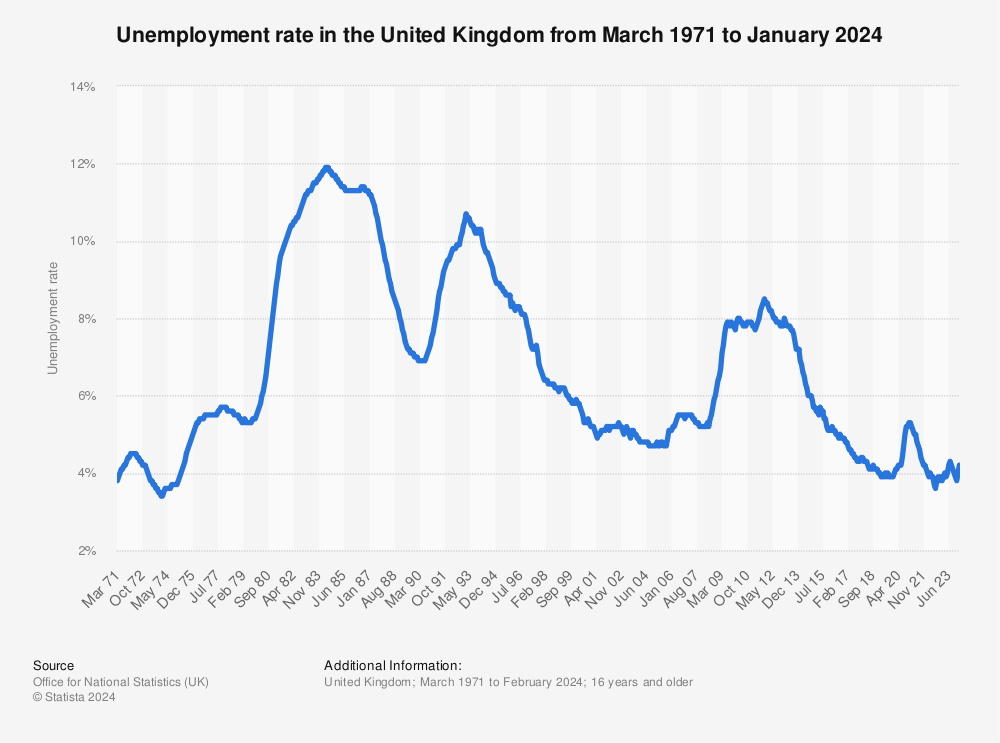
The biggest worry for consumers is job security. Consumer sentiment regarding job security fell by 4.8 percentage points, reaching its lowest since Q1 2023. The unemployment rate has increased to 4.7% as of July 2025, up from lower levels in recent years. Employers are expressing concerns about increased National Insurance contributions and minimum wages as factors affecting how they’re hiring.
But property investors are showing much more resilience than general consumers. Recent research reveals that 52% of buy-to-let landlords intend to purchase new properties in the next 12 months, a significant jump from 27% following the Autumn Budget. On average, landlords are planning to buy three more rental properties, with some targeting as many as 10 properties in 2025.
The buy-to-let market optimism is backed by improving fundamentals. The average gross buy-to-let rental yield reached 7.4% in Q4 2024, up from 6.8% the previous year. UK Finance data shows the average Interest Coverage Ratio improved to 202% in Q1 2025, up from 190% in Q1 2024, providing landlords with greater rental income buffers against their mortgage costs.
Are UK House Prices Rising or Falling? Regional Trends Investors Should Know
UK house prices are still growing in 2025, but the story varies dramatically depending on where you’re looking. National data shows average house prices reached £269,735 in July 2025, representing annual growth of 2.8%. However, this national picture hides massive geographical differences that create distinct opportunities for investors.
Northern England is leading the charge. The North East has experienced the highest annual house price inflation, at 7.9% in July 2025, maintaining its position as the strongest-performing English region. The North West followed with solid annual growth of 4.8%, while Yorkshire and the Humber recorded 3.9% annual increases. These northern regions combine strong growth with relatively affordable entry points, making them attractive for investors.
London and the South are telling a different story entirely. London recorded the lowest annual price growth at just 0.7% in July 2025. The South East managed 1.2% yearly growth, while the South West achieved 1.4%. Despite these modest growth rates, these regions maintain the highest absolute property values, with London averaging £561,587 and the South East at £381,764.
Where to Find the Best House Prices in the UK
Regional price differences create massive opportunities for savvy investors.
The North East offers the lowest average prices at £163,684, providing entry-level opportunities for new investors while maintaining the strongest growth trajectory. This contrasts with London’s average of £561,587, where high entry costs limit accessibility but provide exposure to international demand.
These can change monthly, which shows the market’s volatility. In June 2025, the North East recorded the highest monthly increase at 3.4%, while the South West saw a 0.5% monthly decline. These short-term fluctuations highlight why understanding local market dynamics matters more than relying solely on national trends.
Market outlook by region suggests this divergence will continue. Property experts forecast the North West, Yorkshire, and the Midlands to drive price growth, where affordability continues to attract buyers. London and the South East are predicted to see steadier, more modest growth as high property values naturally limit acceleration.
Construction Bottlenecks and Supply Shortages: A Hidden Opportunity?
The UK’s housing supply crisis has reached critical levels, but for investors who understand the dynamics, this creates opportunities rather than just problems. Government data reveals only 199,300 net additional homes were delivered in England between April 2024 and March 2025, falling well short of demand requirements.
Construction capacity constraints have become more severe. Material shortages are affecting 78% of construction firms on average, the highest percentage since the question was first surveyed over a decade ago. Supply chain disruption has reduced construction output by an estimated 2% in 2022 alone, with effects continuing into 2025. The construction industry faces a critical shortage of over 140,000 workers, spanning both skilled labour and professional services at the design and planning stages.
Regional supply variations create different market conditions. Northern regions show a better supply-demand balance than southern markets, though absolute shortage levels remain significant across all areas. The disparity between planning permissions granted (235,000 homes in the year to March 2025) and actual completions highlights the gap between theoretical and practical supply delivery.
The government is responding with initiatives, including the National Housing Bank announcement and reforms to the National Planning Policy Framework. The government has committed £39 billion over ten years for social and affordable housing, plus a £16 billion National Housing Bank for development. However, implementation timescales suggest supply relief will take several years to materialise meaningfully.
Empty Homes: An Overlooked Investment Opportunity
Thousands of empty homes across the UK represent untapped investment potential for those who know where to look.
Policy & Regulation: What Investors Need to Know About the Renters’ Rights Bill and Housing Tax Reform
The Renters’ Rights Bill and potential housing tax reforms will fundamentally alter landlords’ operations, requiring strategic adaptation across all portfolio types.
The bill is progressing rapidly through the legislative process, with Royal Assent expected in late 2025 and implementation in early 2026. This is the most radical transformation of rental arrangements since the Housing Act 1988, altogether abolishing assured shorthold tenancies (ASTs) and replacing them with assured tenancies that provide better security for tenants.
The Bill removes fixed-term rental contracts, so all tenancies will run on a rolling basis with no set end date. This eliminates the natural break points for possession, rent reviews, and tenancy renegotiation, creating continuous landlord-tenant relationships subject only to specific possession grounds. Landlords will lose the ability to use Section 21 “no-fault” evictions and must rely on fault-based grounds for possession.
How will this affect taxes & costs for landlords?
The government’s impact assessment predicts additional costs of £22 per year per property on average. However, the National Residential Landlords Association warns that increases of up to 10% could result from the new measures. The legislation will also cost letting agencies an estimated £392 million over ten years as fewer landlords use agency services.
Property tax reform speculation is creating additional uncertainty. Reports suggest the Treasury is considering charging National Insurance on rental income at 8%, which could raise an additional £2-3 billion. This would affect approximately 360,000 landlords earning between £50,000-£70,000 in rental income annually, potentially adding over £1,000 in additional tax.
The proposal of an overhaul in Stamp Duty includes replacing the current system with a yearly property tax of 0.54% for properties over £500,000 and 0.81% for properties over £100,000. While this would reduce transaction costs for buyers, it would create ongoing annual liabilities for property owners and fundamentally change how property investors structure their costs.
Where to Find Yield in the 2025 UK Property Market
The average gross rental yield across the UK reached 5.94%, but there are regional variations, with some areas delivering yields approaching 9% while others struggle to reach 4%. The average gross buy-to-let rental yield for Q1 2025 was 6.94%, compared with 6.88% in the same quarter of the previous year.
Regional yield performance shows a clear geographical pattern. Scotland leads with the highest rental yields at 6.36%, followed by the North West at 6.12% and Northern Ireland at 6.06%. Yorkshire and the Humber delivers 5.4% yields, while the North East achieves 5.14%. In contrast, London and the South East struggle to exceed 4.5% despite commanding the highest rents.
|
Region |
Average Property Price |
Average Rent |
Average Rent Per Annum |
Rental Yield |
|
London |
£561,309 |
£2,083 |
£24,996 |
4.45% |
|
South East |
£383,486 |
£1,431 |
£17,172 |
4.48% |
|
South West |
£301,660 |
£1,194 |
£14,328 |
4.75% |
|
West Midlands |
£246,910 |
£1,026 |
£12,312 |
4.99% |
|
East Midlands |
£238,635 |
£896 |
£10,752 |
4.51% |
|
East of England |
£337,920 |
£1,304 |
£15,648 |
4.63% |
|
North East |
£163,679 |
£701 |
£8,412 |
5.14% |
|
North West |
£212,057 |
£1,082 |
£12,984 |
6.12% |
|
Yorkshire & the Humber |
£204,410 |
£920 |
£11,040 |
5.4% |
|
Wales |
£209,728 |
£933 |
£11,196 |
5.34% |
|
Scotland |
£191,927 |
£1,017 |
£12,204 |
6.36% |
|
Northern Ireland |
£185,108 |
£935 |
£11,220 |
6.06% |
Updated: August 2025
City-level opportunities reveal even more dramatic variations. Sunderland leads UK cities with yields approaching 9%, followed by Aberdeen at just over 8%. Burnley delivers 8.00% yields, while Hull and Newcastle achieve 7.45%. Despite higher property prices, Manchester still delivers competitive 6.53% yields, while Liverpool offers 7.44% returns.
What is the best type of property to invest in the UK?
Alternative sectors from the traditional buy-to-let investment strategy offer additional yield opportunities. Social housing and supported living provide higher monthly yields with hands-off management approaches delivered through partnerships with local authorities or housing associations. These sectors have long waitlists and stable demand profiles, though they need someone with specialist knowledge and different risk profiles.
HMO and student accommodation continue to deliver premium yields, particularly in university cities. Manchester achieves rental yields of 6.5% on average, reaching as high as 12% in high-performing HMO areas, well above the 2024 national average of 5.37%.
Top HMO Investment Areas in the UK
In the right locations, HMOs can deliver yields of up to 12%. Find out which UK cities offer the best opportunities for multi-let properties.
How Investors Can Navigate the 2025 Housing Market Successfully
The UK real estate market presents clear opportunities for investors who understand the new dynamics. With yields ranging from over 11% in northern cities to under 5% in London, and regulatory changes reshaping the landscape, success needs strategic positioning and specialist knowledge.
At Yield Investing, we specialise in social housing investments in the North of England that deliver sustainable yields while addressing the UK’s critical housing shortage. Our expertise in this specialist sector helps investors navigate regulatory requirements while accessing opportunities that traditional buy-to-let can’t match.
Ready to explore how social housing investments can strengthen your portfolio in 2025’s evolving market? Contact our team today to discover the opportunities in this sector.