

If you’re looking to get into property investment in the UK, you’ve probably heard stories of landlords who started with one property and built impressive investment property portfolios over time. While the market has changed, the fundamentals haven’t – people need places to live, and that creates onsistent demand for rental properties.
The truth is, you don’t need massive amounts of capital to start a property portfolio. With the right approach, you can begin building a portfolio that generates rental income while your investment grows in value over the years.
What is Property Portfolio Investing?
Portfolio investing means owning multiple properties rather than just one property. Instead of putting all your money into a single property, you spread your investment across different rental properties to reduce risk and increase potential returns.
Housing is a good investment in the UK because it gives you two ways to make money: monthly rental income from your tenants and capital growth as property values increase over time. Unlike other investments that can swing wildly in value, property tends to be more stable because there’s always demand for somewhere to live.
The key difference between owning one property and building a property portfolio is scale and diversification. When you own multiple properties in different areas, you’re not relying on one tenant or one location for all your rental income. If one property is empty for a month, your other properties keep generating income.
How to Build a Property Portfolio in the UK: A Step-by-Step Guide
1. Set Your Investment Goals
Before you start looking at properties, get clear on what you actually want from your property investment. Are you after monthly cash flow to supplement your income, or long-term wealth building through capital growth? This decision shapes everything else.
You’ll need between £25,000-£50,000 minimum to get going. Here’s what that covers:
- 25% deposit on your first property
- Legal fees and surveys (around £2,000-£3,000)
- Emergency fund for repairs and void periods
- Stamp duty (varies by property price and location)
There are two main approaches to property investment, and you need to pick your focus early on:
- Cash flow focus: Target properties that generate strong rental income from day one. Expect 6-8% yields, but potentially slower capital growth.
- Capital growth focus: Buy in areas likely to increase in value over time. Accept lower initial yields (around 4-6% annual growth) for bigger long-term gains in areas with regeneration projects or new transport links.
Most successful property investors pick one strategy initially, then diversify as their portfolio grows.
2. Choose Your Investment Strategy
Once you know whether you’re chasing cash flow or capital growth, you need to pick which type of properties to target. Each property investment strategy has different requirements for capital, time, and expertise.
| Property Type | Definition | Average Yields | Management Level | Key Considerations |
| Buy-to-Let Properties | Standard residential property rented to families/couples | 5-8% | Low | Most straightforward option for beginners |
| HMOs | Houses in Multiple Occupation – rent rooms individually | 6-10% | High | Higher yields but stricter licensing required |
| AirBnBs and Short Lets | Short-term holiday rentals | 7-10% | Very High | Great returns in tourist areas, seasonal income |
| Student Housing | Properties near universities rented to students | 6-9% | Medium | Reliable tenants, but summer void periods |
| Social Housing | Properties rented through local authority partnerships | 8-10% | Low | Very stable income, minimal void periods |
| New Build Investments | Brand new properties, often off-plan purchases | 3-9% | Low | Sometimes guaranteed returns but premium prices |
The strategy for property selection that fits your budget and goals depends on how hands-on you want to be and how much capital you’re starting with. HMOs and Airbnb generate higher returns but need more active management, while standard buy-to-let properties are more passive but offer lower yields.
3. Research the Property Market to Find the Best Locations
To build a successful and long-lasting portfolio, you’ll need to think about location. If you get this wrong, even the best property won’t deliver the returns you need.
The key is finding areas with strong rental demand, reasonable property prices, and good growth potential:
The best housing prices in the UK in 2025:
- Manchester: 6-8% yields with strong demand from young professionals
- Liverpool: 7-9% yields thanks to ongoing regeneration
- Birmingham: 5-7% returns as the UK’s second city, with a diverse economy
The best places to invest in property in the UK:
- Leeds: Major financial centre with excellent transport links
- Nottingham: Strong university presence with affordable entry prices
- Sheffield: Significant regeneration projects driving future growth
Research local markets by checking average rental prices on Rightmove or Zoopla, and see how quickly properties get let in the area. You can also speak to local estate agents and research any upcoming infrastructure projects or regeneration plans.
The biggest mistakes are buying properties in areas with declining populations, ignoring transport links, or focusing only on cheap prices without considering actual rental demand.
4. Secure Your Financing
Getting your financing strategy right is crucial for building a property portfolio. Many successful property investors start with cash purchases, which gives them significant advantages in negotiations and removes the complexity of mortgage applications.
Cash buyers can move quickly on good deals and often negotiate better prices because sellers prefer the certainty. You’ll also avoid mortgage arrangement fees, valuation costs, and the stress of mortgage applications. However, your capital will be tied up in the property rather than generating returns elsewhere.
If you do need mortgage financing, buy-to-let lending has stricter requirements than residential mortgages. Most lenders want rental income to cover at least 125% of mortgage payments, and you’ll need a 25% deposit minimum. Once you own multiple properties, specialist portfolio lenders make financing easier as they look at your entire portfolio rather than individual properties.
4.5. Figure Out Your Tax Expectations
The tax implications have become more complex in recent years. You can no longer offset all your mortgage interest against rental income – instead, you get a 20% tax credit. This particularly affects higher-rate taxpayers and can significantly impact your actual returns.
Other key considerations include capital gains tax when you sell properties, stamp duty on purchases (higher rates for additional properties), and the potential benefits of incorporating your property business into a limited company structure.
As your properties increase in value, you can remortgage to release equity for your next purchase. This is how many property investors scale quickly – using the equity in their existing portfolio to fund deposits on new properties without needing fresh cash.
What Tax Rules Should Social Housing Investors Know?
Understand the key tax considerations that could affect the growth and success of your property portfolio.
5. Buying Your Property in Your Name vs a Limited Company
One of the biggest decisions when you start a property portfolio is whether to buy properties in your personal name or set up a limited company. This choice affects your taxes, financing options, and how you can grow your portfolio.
| Personal Ownership | Limited Company | |
| Setup Complexity | Simple – like buying your own home | More complex – need to incorporate and set up accounts |
| Mortgage Options | More lenders available, easier approval | Fewer specialist lenders, higher rates |
| Tax on Rental Income | Income tax at your marginal rate (20%/40%/45%) | Corporation tax (19% or 25% on profits over £250k) |
| Mortgage Interest Relief | 20% tax credit only | Full offset against rental income |
| Capital Gains Tax | Personal allowance available (£6,000 in 2024) | Corporation tax rates apply |
| Flexibility | Money is yours immediately | Control when to extract profits via dividends |
| Best For | Small portfolios, basic rate taxpayers | Larger portfolios, higher-rate taxpayers |
The tax implications of each structure are complex, and what works best depends on your income level and long-term plans. With a company, you’ll pay corporation tax on profits from your property purchase, then potentially dividend tax when you extract money. However, you have more control over timing and can often achieve better overall tax efficiency, especially for higher earners.
If you’re planning to build a significant portfolio or are already a higher-rate taxpayer, speak to a property tax specialist before buying your first property. It’s much harder and more expensive to transfer properties from personal ownership to a company later than to set up the right structure from the start.
6. Find and Evaluate Properties
Finding the right investment properties is where many new property investors struggle. While online marketplaces show what’s publicly available, the real opportunities often come from building relationships with local estate agents who can give you early access to properties before they hit the market. Property auctions can also offer below-market-value deals.
Many successful property investors partner with a management or investment company that specialises in finding and managing rental properties. These companies often have access to off-market deals and can handle everything from finding tenants to ongoing property management.
To calculate if a property is a good investment, focus on the gross rental yield:
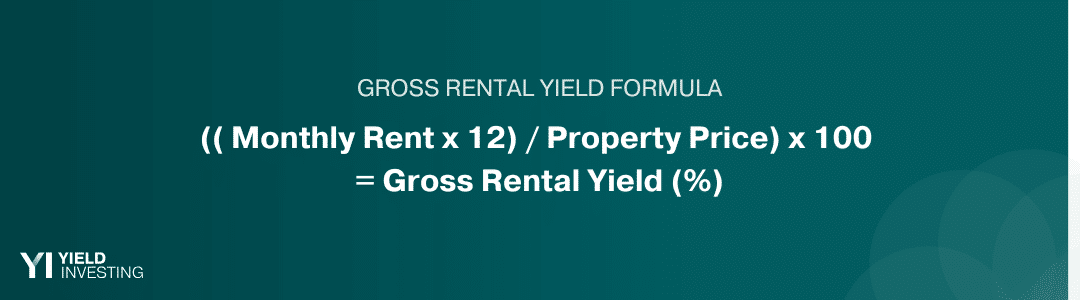
Anything above 6% is generally good for cash flow, but factor in all your costs: mortgage payments, insurance, maintenance, void periods, and management fees. Make sure the property generates enough monthly income to cover expenses and still leave you with a profit.
Before making any offer, get a proper survey done and check the local rental market to check your target rent is realistic. Cash buyers have a significant advantage – sellers often prefer the reliability of a cash purchase over a higher mortgaged offer that might fall through.
7. Manage and Build Your Portfolio
Once you’ve bought your first property, the real work begins. Managing your portfolio effectively and making smart decisions about when to expand will determine your long-term success as a property investor.
Property management is crucial to get right from the start. You can either manage properties yourself or hire a property management company. Self-management gives you more control and saves on fees (typically 8-12% of rental income), but it means handling tenant calls, maintenance issues, and void periods yourself. A professional property management company takes this burden away, but cuts into your profits.
| Self-Management | Property Management Company | |
| Cost | No management fees | 8-12% of rental income |
| Time Commitment | High – handle all issues yourself | Low – they handle day-to-day |
| Control | Full control over decisions | Less control, they make operational decisions |
| Expertise | Learn as you go | Professional experience and knowledge |
| Tenant Relations | Direct relationship with tenants | Company handles all tenant communication |
| Emergency Response | Available 24/7 or issues wait | Professional 24/7 response service |
| Legal Compliance | Your responsibility to stay updated | They handle regulations and compliance |
| Best For | Local investors with time and interest | Busy portfolio landlords or distant properties |
The key decision most property investors face is when to reinvest vs take profits. In the early stages, reinvesting rental income back into the business – whether for deposits on additional properties or improving existing ones – usually makes more sense than taking profits.
7.5. Expanding Your Portfolio
Building a successful property portfolio means scaling from 1 to 5+ properties, which requires careful planning. To diversify your property investment portfolio, spread across different areas and property types – don’t put lots of properties in the same location or rely on one specific property type. This reduces risk and helps smooth out any local market fluctuations.
As your portfolio grows, you’ll need to shift from individual buy-to-let mortgages to portfolio lending. Some investors prefer to start small initially, then accelerate growth once they understand the market and have proven rental income from their existing portfolio.
Common mistakes to avoid include over-leveraging (borrowing too much), neglecting regular maintenance, not keeping proper financial records, and trying to expand too quickly without adequate cash reserves. Remember that each additional property adds complexity to your property business, so make sure you have systems in place to handle the increased workload.
Diversify Your Portfolio with Yield Investing
Building a property portfolio from scratch takes time, expertise, and significant hands-on management. If you’re looking for a more passive approach to property investing or want to diversify your existing portfolio without the hassle of sourcing and managing individual properties, there are alternative options.
At Yield Investing, we specialise in hassle-free, high-yield property investments with government-funded returns of 8-9% NET annually. Our properties are completed and delivered turnkey, with long-term lease agreements with commercial tenants ensuring rental income for 10-25 years.
For investors who want exposure to property without the day-to-day management responsibilities, this type of investment can complement a self-managed portfolio. You get the benefits of property investment – regular income and potential capital growth – without handling tenant relations, maintenance issues, or void periods.
If you want to learn more about hassle-free property investment opportunities, contact us today. Our advisors can help you explore whether social housing investments align with your investment goals, portfolio management and risk tolerance.